Five habits to develop strong readers
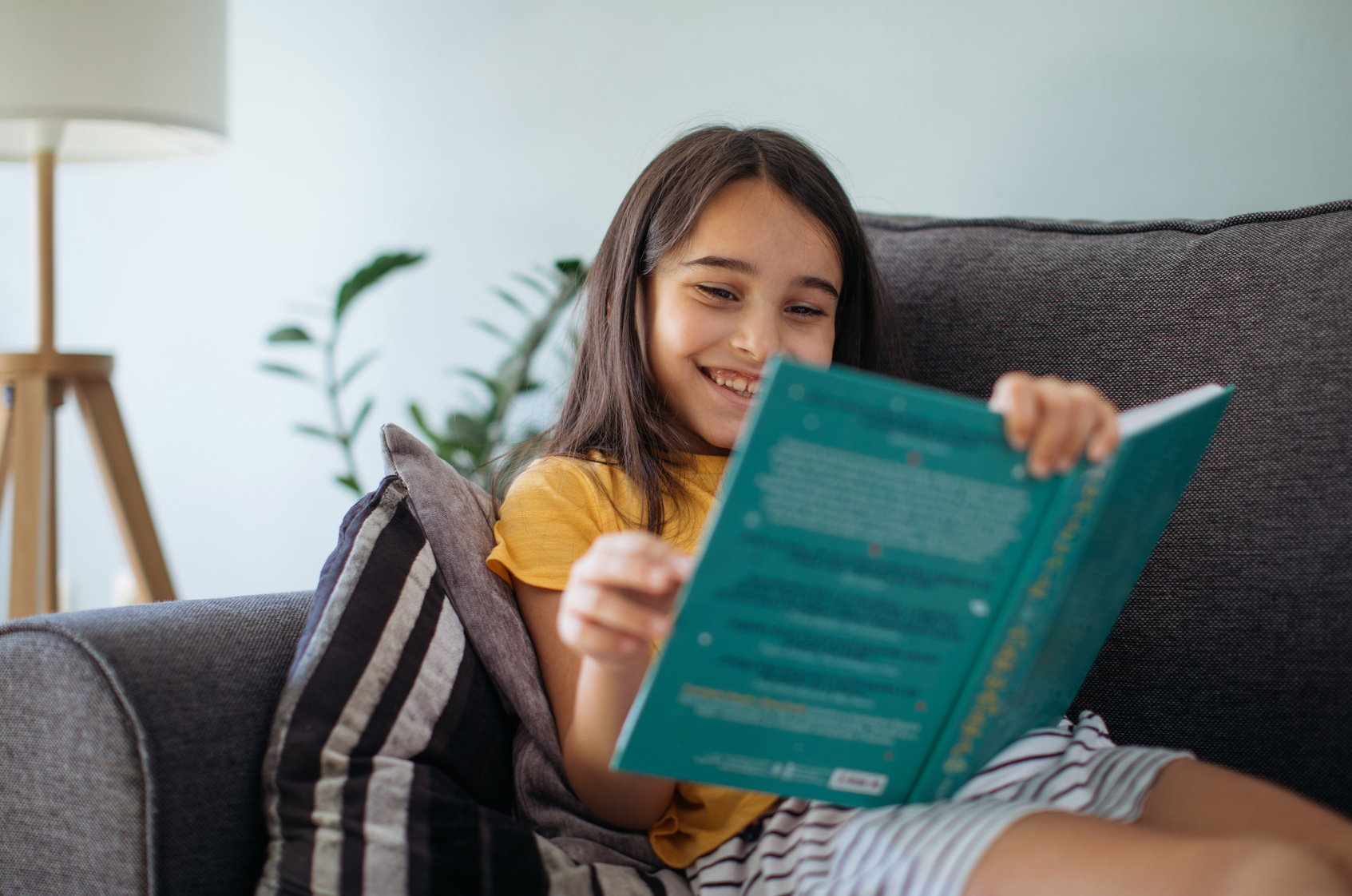
It’s easy to assume that top-performing children simply ‘work harder,’ however from our teaching experience at schools and AE Tuition, that’s not the full story.
Our stronger 11+ pupils don’t just commit themselves to working hard, they build strong reading habits which then becomes a life skill they enjoy. These reading habits are ideal to be developed at home, with the support from parents.
Here are our five key habits to encourage your child to become a strong reader
- Reading little and often creates a big impact
Strong readers don’t rely on last-minute effort; they build consistency of reading for around 15-20 minutes a day as part of their routine (e.g. before bedtime or after school). This becomes a no pressure routine to give them space to enjoy what they are reading. Children who read more frequently build vocabulary, comprehension and confidence naturally over time. So, if your child struggles to read for a long period of time, swap the routine to more frequent but less duration.
- Reading a variety of texts
Top pupils don’t just stick to one type of book. They mix fiction (for imagination) with non-fiction (for knowledge and vocabulary), articles, comics, instructions, even subtitles.
Exposure to different styles strengthens comprehension skills, a key requirement for 11+ exams. Encourage your child to explore topics they already love (sports, animals, space); this will encourage them to want to read more.
- Reading for understanding, not just speed
You’ve probably experienced your child rushing their reading and not really absorbing the text they have read. It’s important that children pause to think about what they have read, ask questions and re-read tricky sections. This is something we encourage our parents to get involved with at home. Developing curious reading is a life skill that will help them to excel.
Here are some example questions:
- “What do you think will happen next?”
- “Why do you think they did that?”
- “How do you think the character feels?”
- Reading with a choice of books and taking ownership
Children are far more likely to read when they feel in control of what they read and when they like to read. Giving them the independence to choose their own reading material that matches their interests will make sure that reading feels like fun and not schoolwork.
- Reading yourself
If a child sees you reading, it helps them understand that reading is a normal and valued part of everyday life. Children naturally copy the behaviours they see, so when they observe you choosing to read, it shows them that it isn’t just something they have to do for school, but something people do for enjoyment and learning. By modelling this habit, you gently encourage your child to pick up a book themselves, building their confidence and interest in reading in a natural and positive way. Also, it helps you to step away from life and enjoy a good book.